SOCAR Case Study: Improving the Offboarding User Experience
Empowering Users: Data Control through Offboarding
One of my primary projects at Socar Malaysia involved redesigning the offboarding process for Socar and Trevo mobile apps, along with the management platform Gearbox. While account deletion is a legal compliance, we viewed it as an opportunity to enhance user experience. We conducted a comprehensive analysis of user motivations for deleting their accounts and identified areas for improvement, aiming to establish long-term trust and foster customer loyalty in the brand.
This case study explores the challenges faced around existing user deletion flow and the solutions implemented to address the issues, improve user retention and prioritizing user data privacy and security.
The Product
Socar, Trevo, Gearbox
My Role
UI/UX Design
Date
Jun–Aug 2023
Softwares

The Challenges
Data Compliance
We had to segregate user data to comply with regulations and conduct investigations on user accounts. Establishing the right logics was crucial to guarantee the security of user data during investigations before permanent removal.
Identifying Key Areas of Improvement
We analyzed user motivations for account deletion through NPS and CSAT data and identified several key areas for improvement. These include streamlining the account deletion process internally, improving user experience by allowing update of KYC details, and addressing onboarding issues in relation to account duplicates.
Streamlining the Process
The existing procedure requires manual investigation into accounts for potential issues before users could be cleared for account deletion. This lead to delays and potential errors, especially when users could create bookings concurrently, adding complexity to the deletion workflow.
Design Process

Existing Process
Use Case
User unable to update
Market Research
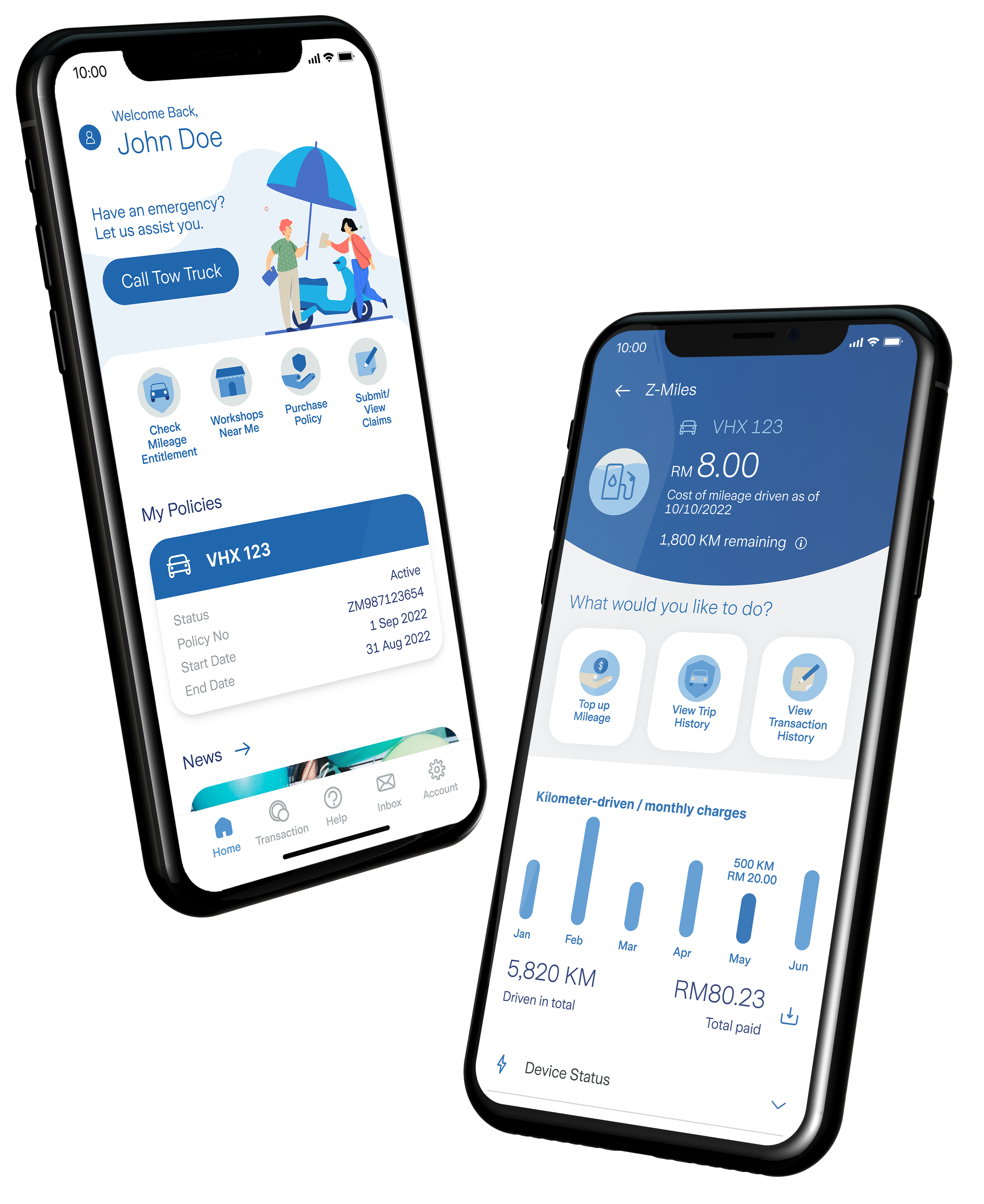
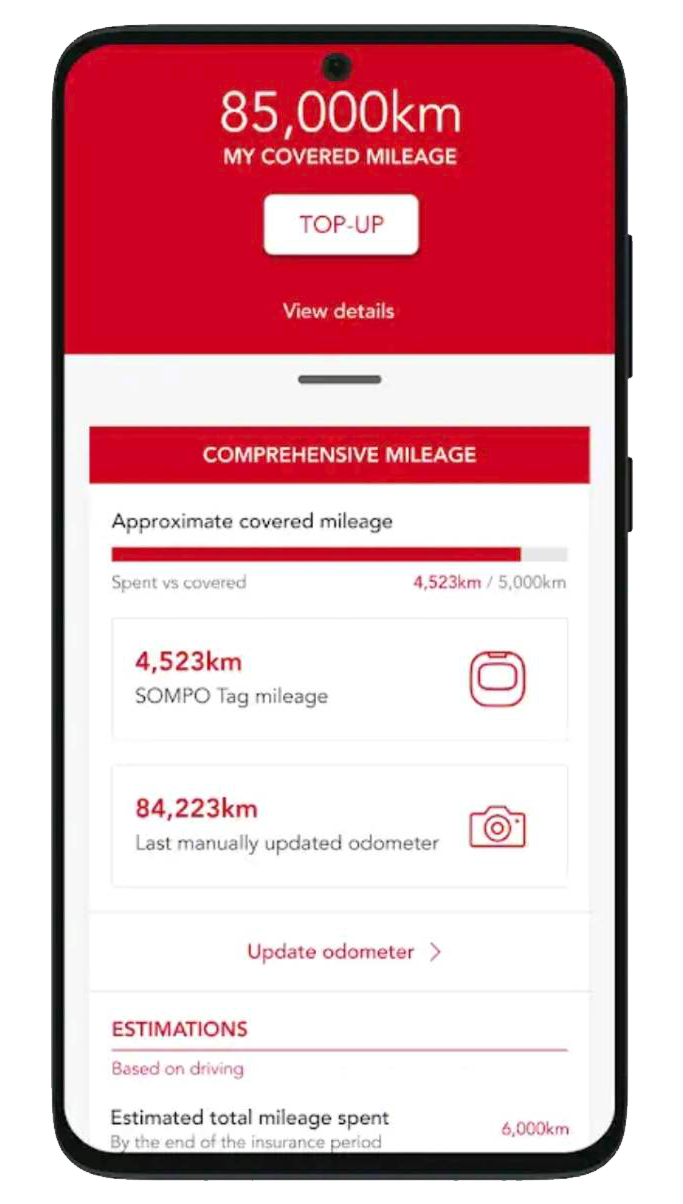
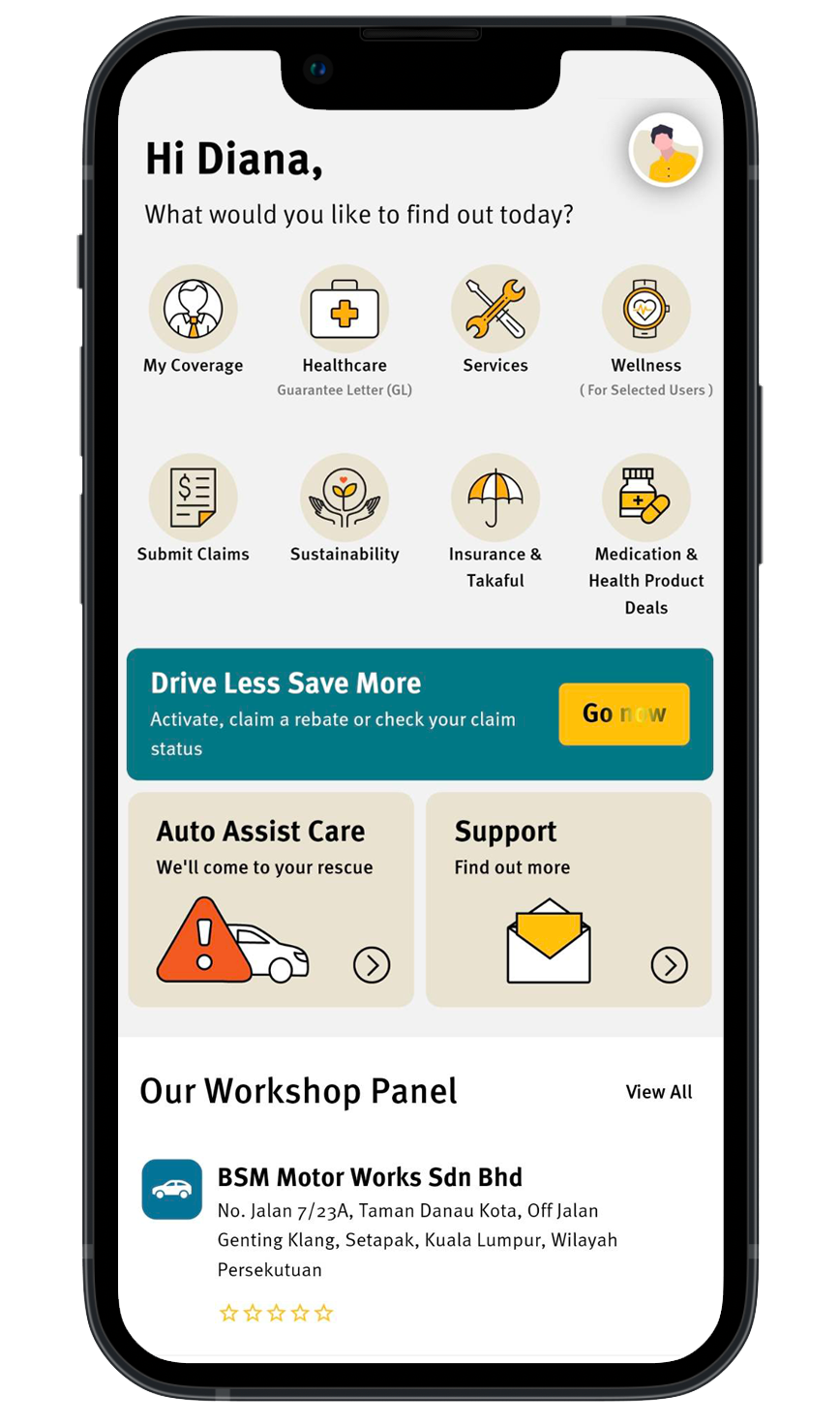
I did some market research on competitors to investigate what are current solutions being offered to similar target audience. The Sompo MotorSafe app and the Etiqa Smile App best pits against our potential product.
Some of the key defining features from Sompo MotorSafe app is its detailed trip history which demonstrates transparency in calculated costs.
The Etiqa Smile App offers emergency roadside assistance accessible to the public, whether or not they are policyholders. Users can easily view policies purchased and make claims.
The Solution
From the data, we identified key areas for improvement:
Streamline the process – in order to manage user data, we proposed changes to the management system: segregated deleted users from active users, implemented optimized processing of the user deletion request,
Low-Fidelity Prototype
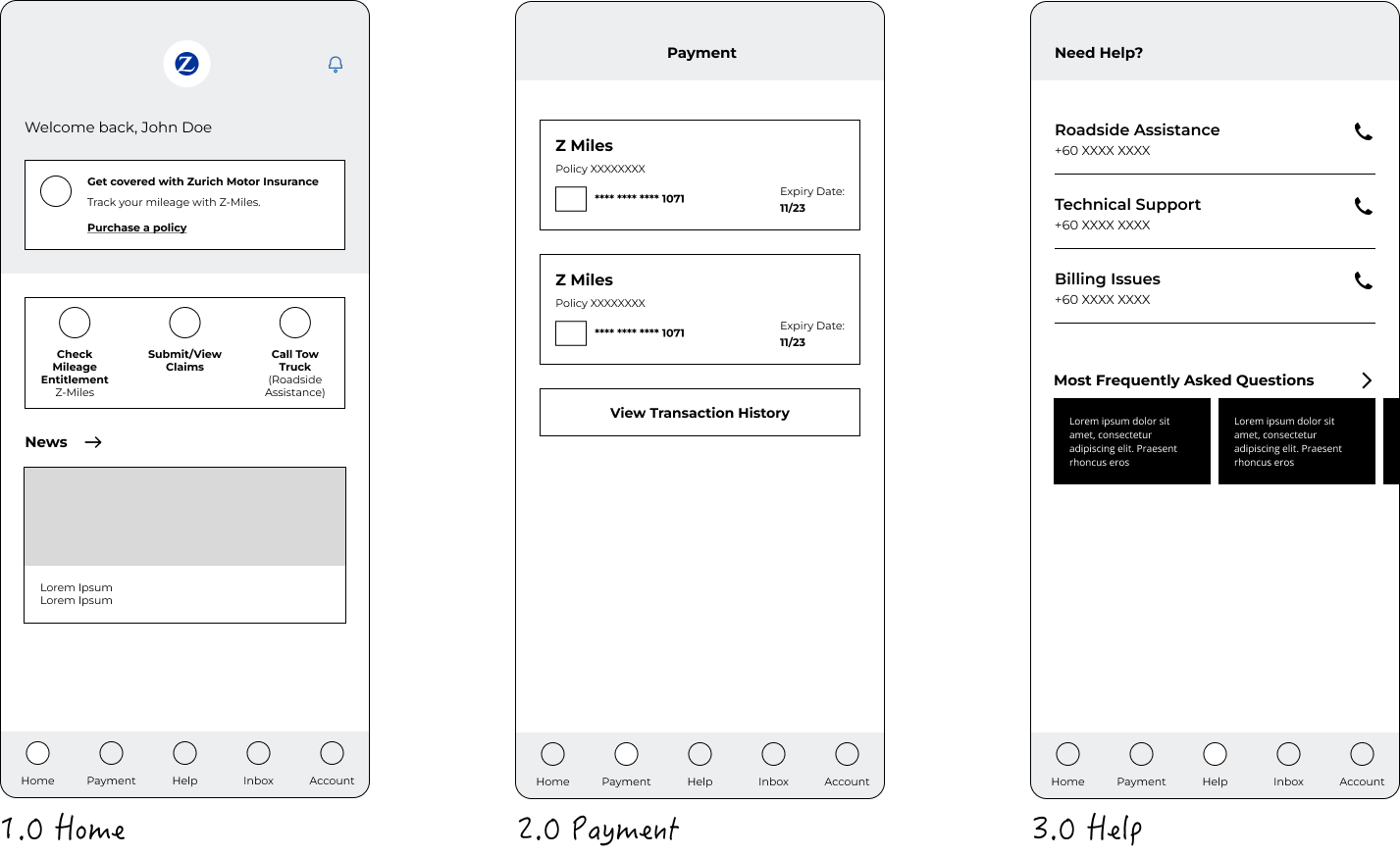
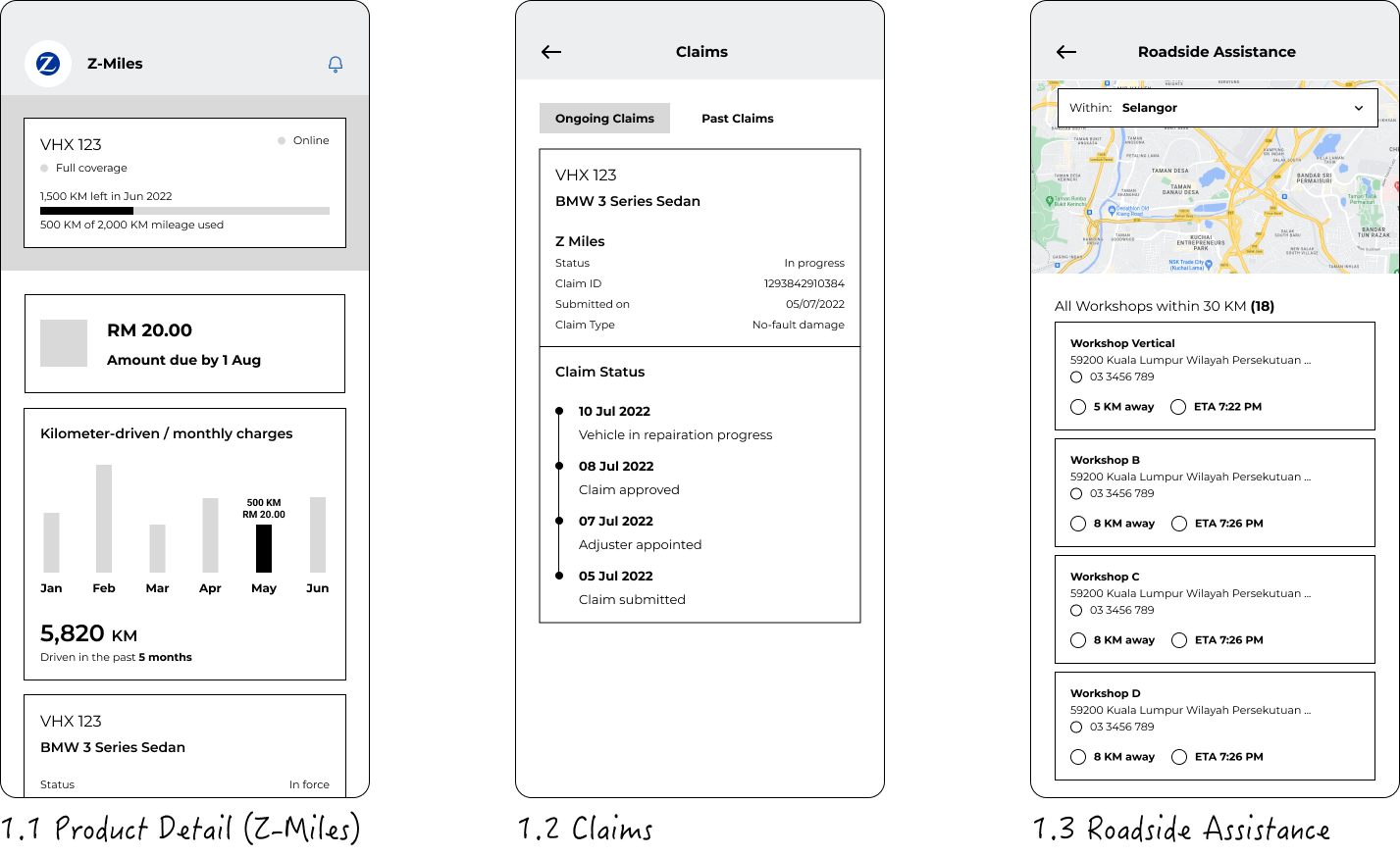
Some low fidelity prototype samples from the project. At this stage, it’s important to fill the content copywriting in order to avoid confusion and communicate the design concept to the business stakeholders.
Design Iterations
As we gathered the business requirement and worked on the product design simultaneously, it was important to be flexible with iterations. Below are some example of iterations I have done:
Product Detail
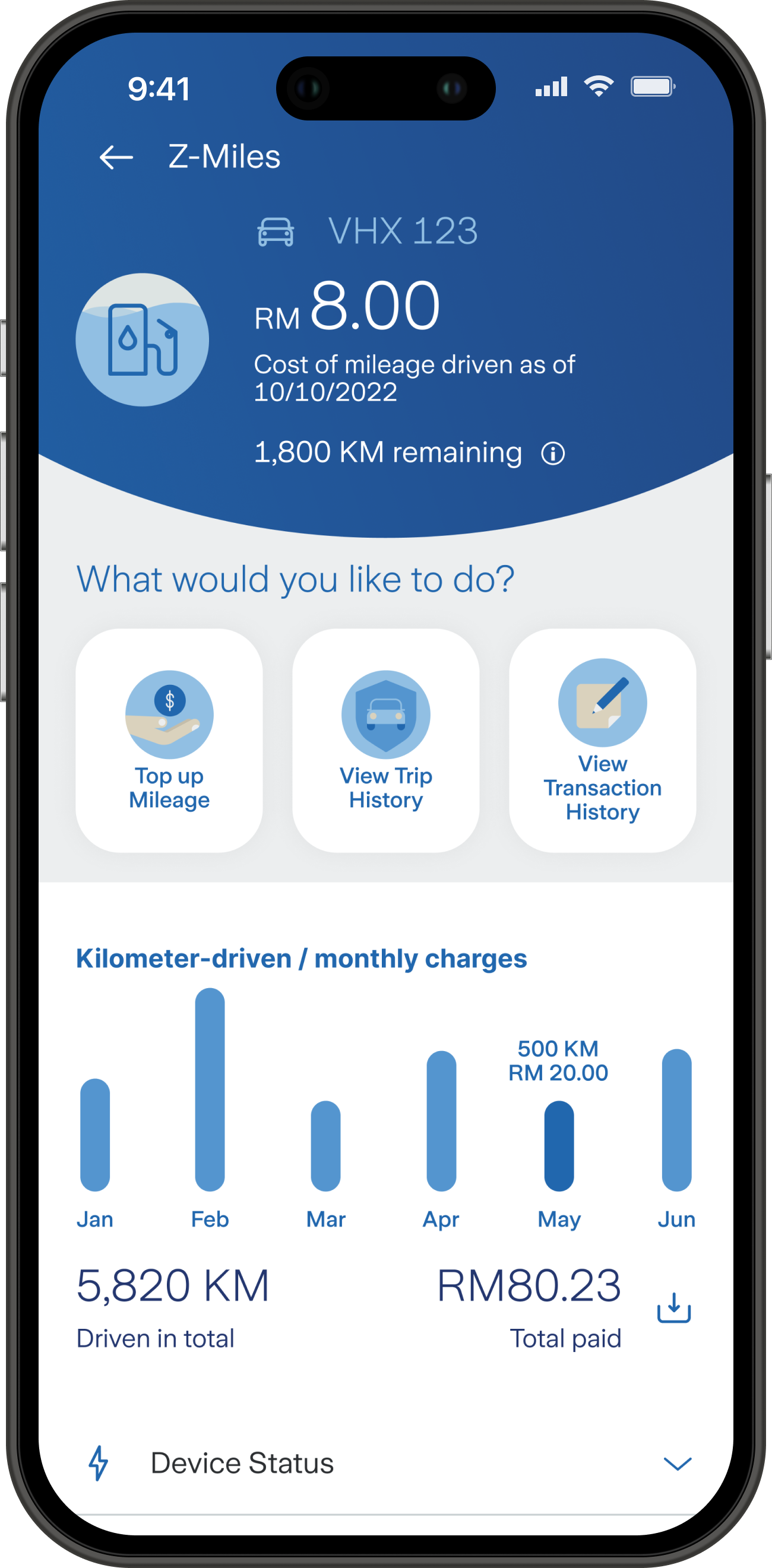
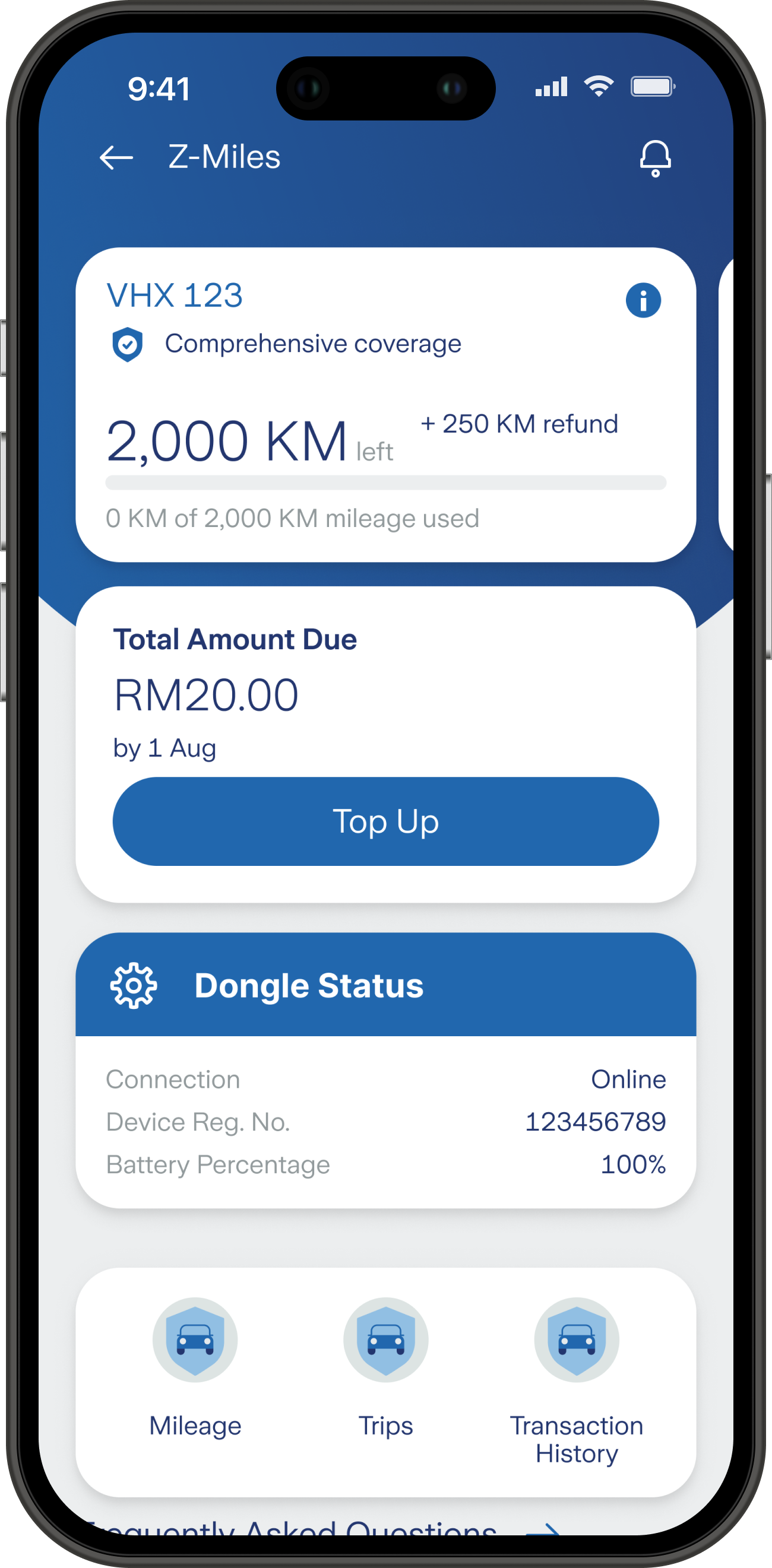
Upon further understanding of business and product requirement, we re-evaluated the prioritization of information:
Display mileage without gauge: user does not require a threshold measurement.
Move actionable items higher.
Updated hierarchy – Device status and policy detail has low priority as the information is fixed. therefore does not need to be in an expanded state.

Documentation
Besides handoff, I also took the liberty of writing a small summary for each screen on the design file used to communicate with the stakeholders.
This way, everyone has a better picture, whether they have been involved with the project the whole time or recently onboarded.
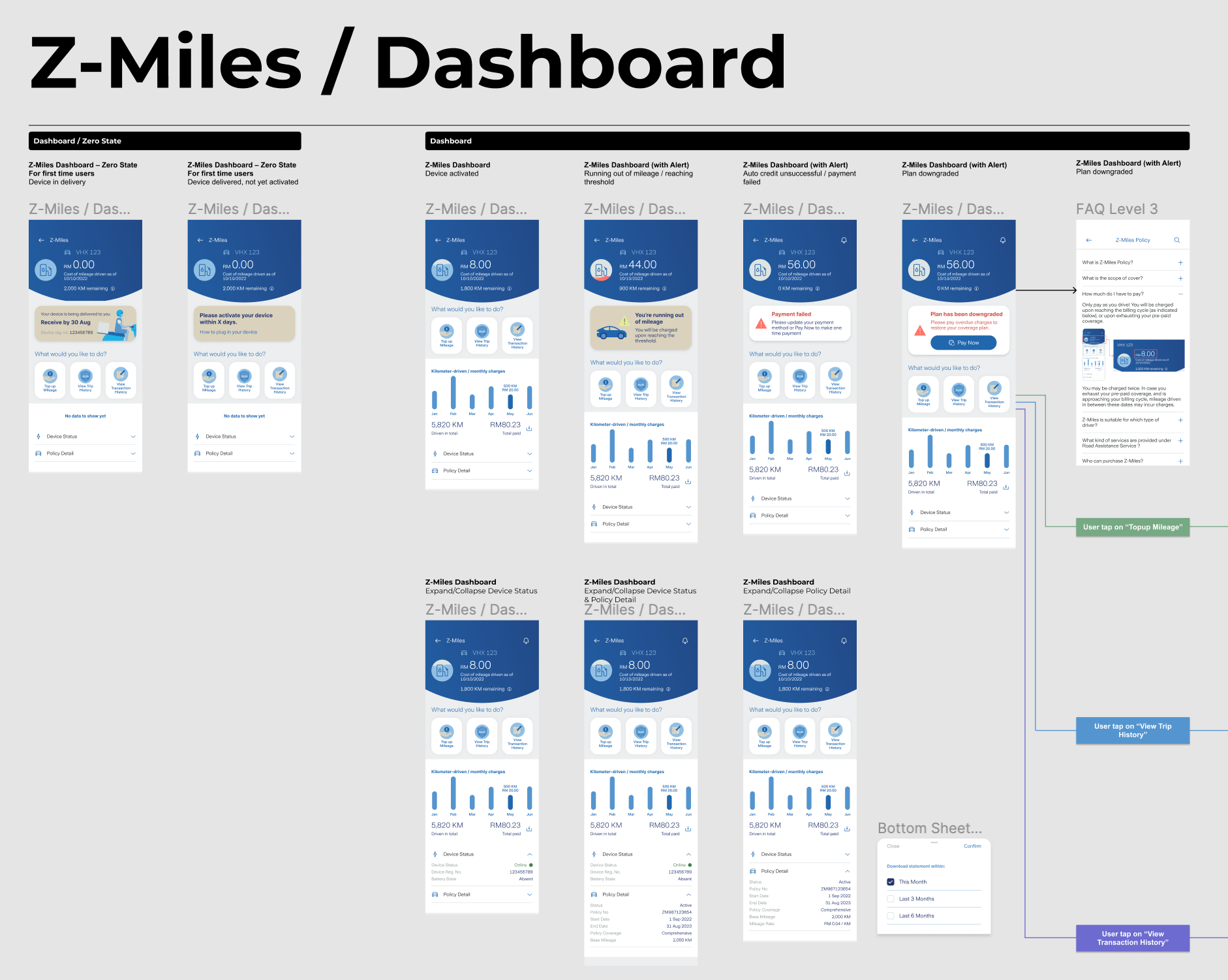
Final Design
Demonstration of Zurich Motors mobile app